
Last time, I wrote about a place. A café, music in the background, and a feeling that stayed with me for years. Back then, it seemed like it was about the place.
But that was only one layer of the story. There is something else happening underneath. Something more practical, something you can actually notice and use in everyday life.
Music is not just atmosphere. Music does something much more specific. It changes what happens inside your head.
I didn’t come to this idea in one moment. It appeared gradually, through repetition. The same situations, the same reactions, the same states — with music always somewhere in the background.
One of the clearest examples is something very simple. In my work, I have tasks that are just… boring. Repetitive. The kind of work you don’t really want to start. The kind of work where your mind looks for anything else to do.
For a long time, starting those tasks was the hardest part. Until I started doing one thing.
I would play a specific album. Not a playlist. Always the same album. And I would play it on a loop, again and again. After some time, something strange started to happen. The moment the music started, my brain already knew what to do. It was like a signal. “Okay. Now we do this.” Not in a forced way. More like slipping into a state. Part of my attention followed the music, and the other part was doing the task. The resistance became smaller. The whole thing became easier, almost automatic.
That’s when it became clear to me that music wasn’t just something I liked. It was something shaping my behavior.
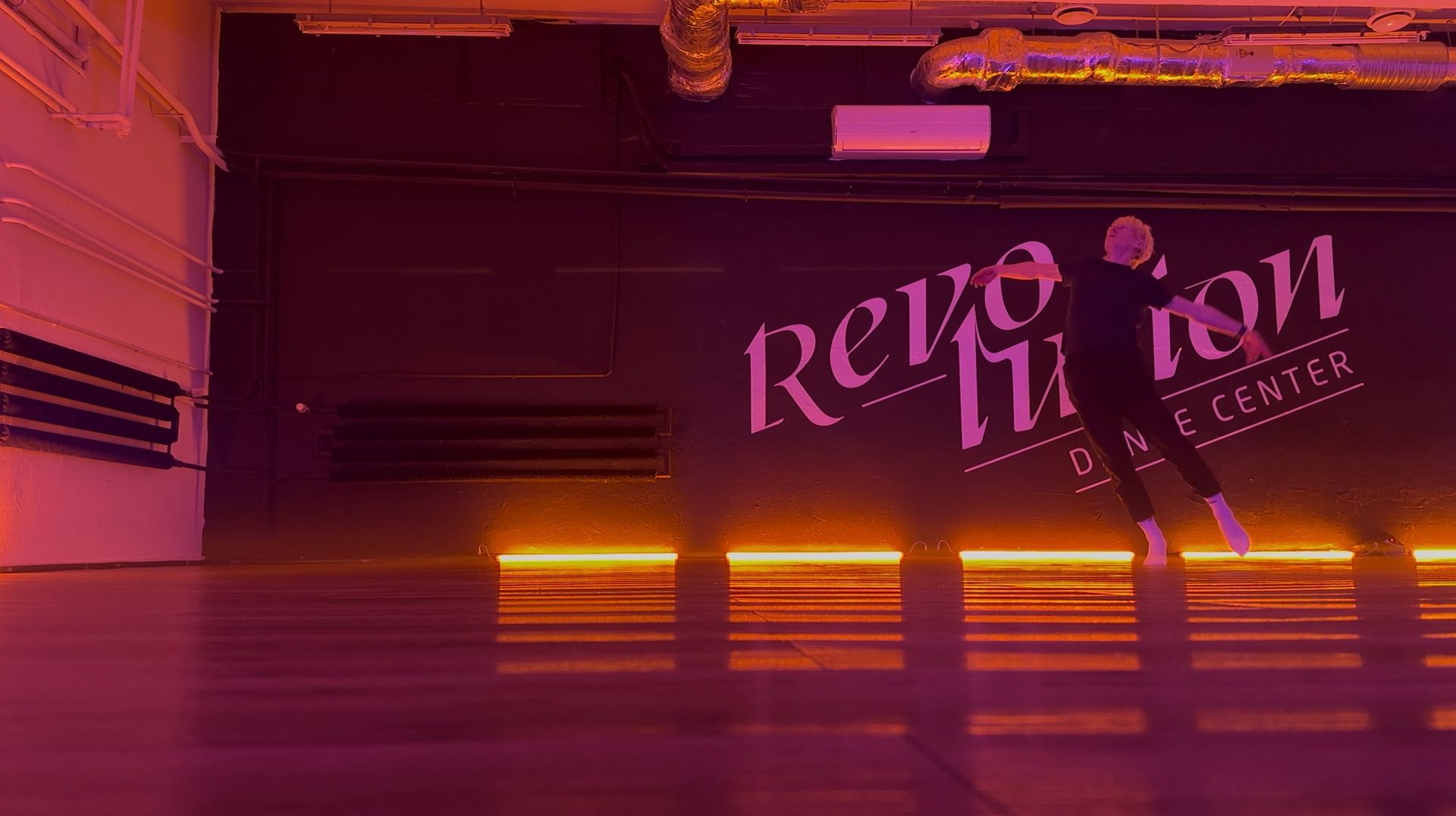
The same thing happens in a completely different area of my life — dance.I’ve been learning how to dance for a few years now. And there are songs that I associate very strongly with specific movements. Warm-ups, choreographies, combinations that I repeated many times. When I hear those songs now, something interesting happens. My body remembers.
Sometimes I don’t even think about it. I hear the music and I already feel the movement. My body starts doing the steps, or at least I can feel them in my head, as if they were already happening.
It’s not a decision. It’s not something I consciously choose. It’s automatic.
And that led me to another realization. We don’t really like music. We like what we connect to music.
There were many times when I thought I hated a song. And then, during a dance class, we would use that exact song for a choreography. After a few minutes, something would shift. I would start moving to it, focusing, repeating movements, being with other people.
And suddenly, the same song became something I liked. Sometimes even something I loved. Nothing about the song itself changed. But everything around it did. And now, when I hear it again, it brings all of that back.
This happens in many areas. There is music I connect with running. Music I connect with dancing. Music that brings back moments from my childhood, or specific people, or very concrete situations. When I play those songs, I don’t just hear them. I go back to something.
It’s like showing food to someone who is hungry. You don’t have to explain anything. The reaction is immediate. Music works in a similar way. It doesn’t ask. It just triggers. And this is where it becomes really interesting. Because if music can trigger states… then you can use it. But you can also be controlled by it.
Most of the time, I use it consciously. I know that certain types of music will help me work, others will help me move, others will help me calm down or think. I use music as a way to guide my state, not just to fill silence.
But there are also moments when I avoid it on purpose. Like now. While I’m writing this, there is no music. Not because I don’t like it, but because I don’t want to be pushed into one specific state. Music is very good at narrowing your experience. It puts you into a mood, into a direction, into a certain way of thinking. Right now, I want something else. I want access to everything. Different memories, different ideas, different emotions. I don’t want to be in “running mode” or “dance mode” or “focus mode.” I want to move freely between them. So I choose silence.
And that’s something I didn’t understand before. Silence is not just the absence of music. It’s a different mode. Music takes you somewhere specific. Silence keeps things open.
At my home, music is almost always present. From the moment I wake up, it becomes part of the environment. Sometimes quiet, almost unnoticeable. Sometimes loud, energizing, almost physical. When I change clothes, when I take a shower, when I move around the house, music is there and it changes how those moments feel. Even simple, boring things become something else when music is involved. Work becomes lighter. Movement becomes natural. Time feels different.
But I also know that without music, I can focus in a different way. Deeper, more precise, but also harder to maintain. It requires more effort. It doesn’t come as easily. Music, in a way, helps me stay in that state longer, even if it’s a slightly different kind of focus.
So it’s not about music being always good or always helpful. It’s about what it does.
Over time, I started to see music as something very practical. Not just something to enjoy. Not just something to relax with. But something closer to a tool. Or maybe even something more direct than that. A key. A key that can open specific states in your mind. You play something, and your brain responds. You enter a certain mode, often without even noticing.
And maybe that’s the most interesting part. Because once you see it, you can’t really unsee it. You start to notice patterns. You start to recognize what certain songs do to you. You start to see that you are not just listening to music — you are using it, or being influenced by it.
And then a different question appears. Not what music do I like. But: What does this music do to me?
Have you ever noticed that music can act like a key to your brain?
In the next one, I’ll go one step further and show how I actually organize this in my daily life — how I choose music, how I structure it, and how I use it more intentionally instead of randomly.