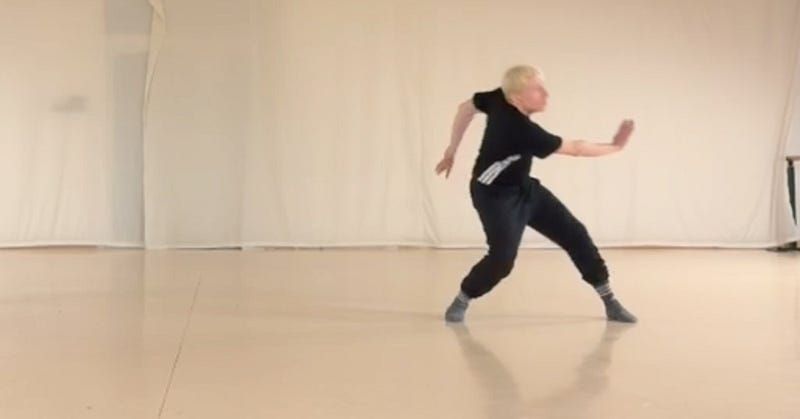
A short episode during a dance class changed how I read my body — not as something to control, but something that signals.
The Moment
It happened at the end of a choreography. We had just finished a three-minute sequence — a dynamic transition into a low crouch with a turn. I stopped moving, and within a few seconds I noticed that my heart rate didn’t drop the way it usually does. Instead, it started climbing. Not suddenly, but smoothly. Like an engine going into higher RPM. I had felt this before, only a few times in my life, and that recognition came immediately. I went to get my water, coughed a few times, sat down, and started breathing more slowly. Within two or three minutes, everything returned to normal.
The Experiment
This is not a clean experiment with a defined start. The episode happened about four weeks ago, but the pattern has been present for years. It shows up rarely — once every few years — always in similar contexts: physical effort, tension, and a transition from movement to stillness. On that day, there were a few noticeable conditions: more coffee than usual, not much water, normal sleep, and a meal a few hours before training. Nothing extreme on its own. But together, something shifted. Since then, I’ve been paying more attention to these variables without trying to fully control them.
Adaptation / Friction
Most of the time, I approach my body as something to manage. I expect it to perform because it’s on the calendar. I go to classes even when I’m tired, underfed, or not fully prepared. In one class, I repeated a choreography I had done well the week before, but this time I couldn’t remember the moves. I couldn’t focus. The only difference was my state: less rest, worse preparation, no real fuel. In another situation, I went to a rollerblading class shortly after a heavy meal and felt slower and more fatigued instead of energized.
Movement can help — a warm-up can activate energy and change how I feel. But the same movement, in a different state, exposes something else. It shows the mismatch between what I expect and what the body is ready to do.
Observations
The pattern is consistent but not fully clear. Similar episodes have happened a few times before — once many, many years ago when I was still smoking, and more recently — almost two years ago — during intense physical activity like a demanding ping-pong game. They always follow a similar shape: quick onset, fast but regular rhythm, and a short return to normal. Outside of these moments, smaller signals appear more often — fatigue, lack of focus, or tension during movement.
There are possible contributing factors: higher caffeine intake, low hydration, and the way I end intense movement. But I cannot isolate the cause.
What changed is that I started treating these moments as signals rather than errors.
Conclusion / Current State
This experiment is active. I haven’t introduced a strict system or protocol. The changes are small and specific: drinking water before classes, paying attention to how I transition out of movement, and keeping coffee within a certain range. The main shift is not in what I do, but in how I read what happens. The episode did not feel like something to fix. It felt like information.